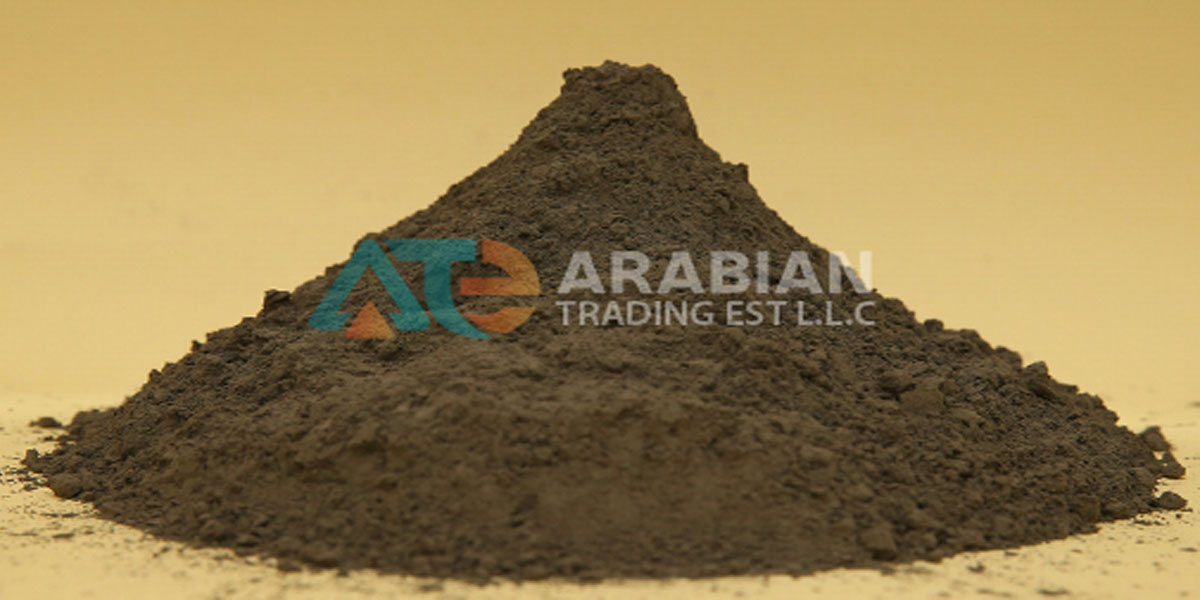
Most people never think about what holds an oil well together. Yet every barrel that reaches the surface depends on a thin ring of cement, sealed between steel casing and rock, doing its job for decades. Get that cement wrong and you face gas migration, casing corrosion, costly remedial work or a well abandoned early.
That is why sourcing oil well cement in Dubai is a technical decision, not just a purchasing one. Whether you are a drilling contractor, a cementing service company or a project buyer supplying rigs across the Gulf, this guide covers what matters, what to ask, and how a reliable partner like Arabian Trading can make the process smoother.
Ordinary Portland cement is built for buildings and roads. It sets at surface temperature and pressure, and that is about all it needs to do.
Oil well cement lives in a much harsher world. It is pumped as a slurry thousands of metres down a wellbore, where temperatures can pass 100°C and pressures are many times higher than at the surface. It must stay pumpable long enough to reach its target, then set firmly, bond to steel and rock, and resist sulphate-rich formation water and corrosive gases like CO₂ and H₂S.
To handle all that, it is made with tighter controls on fineness, chemistry and thickening time, usually to American Petroleum Institute (API) Specification 10A.
API 10A defines classes A through H, but two dominate modern drilling:
Class G – The most widely used well cement in the world and the standard choice across the UAE. It is a "basic" cement, designed to be blended with accelerators, retarders and other additives to suit almost any depth or temperature.
Class H – Similar in purpose but ground coarser, giving a lower water requirement that suits some deeper, high-pressure wells.
Both usually come in HSR (High Sulphate Resistant) grades. With sulphate-heavy formation waters common in the Gulf, HSR is the sensible default. When comparing quotes for oil well cement in Dubai, confirm the class and grade on the certificates, not just on the bag.
The UAE has a mature cement industry, with several plants holding API certification for well cement. Dubai sits at the centre of it, with Jebel Ali port, strong road links to Abu Dhabi's oilfields and fast shipping routes to Oman, Saudi Arabia, Iraq, Kuwait and East Africa.
For buyers, sourcing Oil Well Cement Dubai offers:
Short lead times to onshore and offshore operations
Flexible packaging, from 50 kg bags to jumbo bags and bulk
Easy re-export and free zone trading options
One point of contact for cement, additives and related supplies
Price matters, but a cheap cement that fails a thickening-time test is the most expensive cement you will ever buy. Use this checklist when evaluating any supplier of oil well cement in Dubai:
Ask for API 10A certification. The plant should hold a valid API monogram licence. Request a copy and check it is current.
Request batch test certificates. Each lot should come with a mill test certificate covering fineness, chemistry, free fluid, compressive strength and thickening time.
Check batch-to-batch consistency. Consistent data lets your engineers design slurries with confidence.
Confirm packaging and storage. Well cement is moisture-sensitive, so ask how it is packed and stored, especially in humid summer months.
Look at logistics capacity. Rig delays cost far more than the cement itself.
Value technical support. Good suppliers can discuss additives and lab testing, not just quote a price per tonne.
Arabian Trading works with contractors and project buyers who need dependable industrial materials delivered on time. For teams looking for oil well cement in Dubai, the advantage of an established trading partner is simple: one relationship that handles sourcing, quality paperwork and logistics, so your operations team can stay focused on the well.
Instead of chasing several factories for stock and certificates, you share your requirements, specify the API class and grade, and receive a clear quotation with delivery terms. Planning a campaign? Book your Oil Well Cement Dubai order early so stock is ready before the spud date.
Treating all Class G cement as identical. Raw materials and grinding differ between plants, which can change how a slurry behaves with your additives. Always lab-test a new source.
Ignoring shelf life. Cement stored for months in heat and humidity can lose performance. Ask for production dates.
Ordering too late. Last-minute orders limit your options and can force expensive express freight.
Skipping paperwork. Without proper certificates, cement may be rejected at site inspection.
Avoiding these pitfalls is a big part of buying oil well cement in Dubai wisely, protecting both your budget and your well integrity.
A sound cement sheath prevents leaks between formations, protects groundwater and cuts energy-intensive remedial jobs later. Quality oil well cement in Dubai from a reputable source supports both safety and sustainability goals.
What is oil well cement used for? It cements steel casing into a wellbore, sealing the gap between casing and rock. This supports the casing, isolates underground zones and stops oil, gas or water from moving where it should not.
Which class of oil well cement is most common in the UAE? API Class G in the HSR grade, because it works with a wide range of additives and well conditions.
What is the difference between Class G and Class H? Both are basic well cements used with additives. Class H is coarser and needs less water, which some operators prefer for deeper wells. Class G is the more common all-round choice.
How is oil well cement packed? Usually in 50 kg bags, 1–1.5 tonne jumbo bags, or bulk, depending on the project and handling equipment on site.
How can I check that the cement is genuinely certified? Ask for the manufacturer's API 10A licence and a mill test certificate for each batch. Reputable suppliers share both readily.
Can I buy oil well cement in Dubai for export? Yes. Dubai is a major re-export hub, and well cement regularly ships from here to oilfields across the GCC, Iraq and Africa. Arabian Trading can help with sourcing and shipping documents.
Where can I get a quote for Oil Well Cement Dubai? Contact Arabian Trading with your API class, grade, quantity, packaging and delivery location for a tailored quotation.
The cement in a well is out of sight once the job is done, but never out of mind for the people responsible for its safety and output. Choosing the right grade, verifying certification and working with a dependable supplier pays off for the whole life of the well.
If you need a reliable source of oil well cement in Dubai for your next drilling or workover campaign, get in touch with Arabian Trading to discuss specifications, quantities and timelines.