Shipping goods sounds straightforward until a container gets held at the port, documentation comes back rejected, or a warehouse handover creates a week of delays nobody planned for. Most of these problems aren't random - they come from gaps in the clearance and logistics setup that were easy to miss at the start.
The UAE is one of the busiest trade corridors in the world. Jebel Ali alone handles enormous volumes daily. That scale means customs authorities are thorough, documentation requirements are specific, and errors - even minor ones - slow things down.
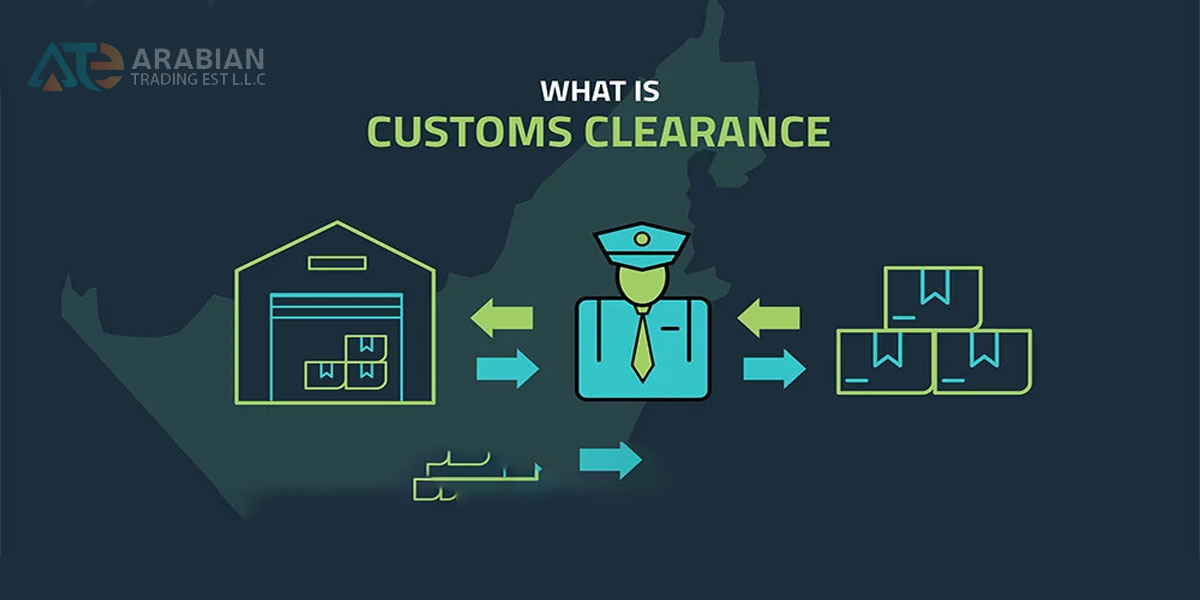
Customs clearance in Dubai requires the right paperwork prepared correctly before the shipment arrives, not after. All commercial invoice, packing list, certificate of origin and any permits required for specific products should be in place. A mismatch between what the documents say and what's physically in the shipment triggers inspection. Inspection means delay. Delay means storage costs, missed delivery windows, and unhappy clients.
The HS code used for classification determines the duty rate applied. Wrong classification - even unintentionally - creates problems that take time to resolve and sometimes result in penalties.
Clearance is one piece. What happens before and after matters just as much.
Import export and warehousing in UAE is an exercise of coordination between suppliers, freight forwarders, custom brokers, port authorities and ultimate consumer, all at once, in different time zones and perhaps even in different languages." If there are communication problems with any one link in the chain, everything stops.
Warehousing in the UAE needs to be thought about strategically, not just as a storage solution. Location relative to ports, free zone versus mainland storage implications, temperature control requirements for certain goods, and inventory management systems all affect how efficiently goods move from arrival to final delivery.
A significant portion of import export and warehousing in UAE activity runs through free zones - Jebel Ali Free Zone, Dubai Airport Free Zone, and others. Goods stored in a free zone aren't subject to UAE customs duty until they enter the mainland market. For businesses using Dubai as a regional distribution hub, this is a meaningful cost and cash flow consideration.
Understanding which free zone arrangement suits a specific business model requires knowing the goods, the markets being served, and the volumes involved. Getting this wrong means either paying duty unnecessarily or running into compliance issues when goods move between zones incorrectly.
Arabian Trading handles customs clearance in Dubai alongside full import export and warehousing in UAE services for businesses moving goods through the region. Rather than coordinating multiple parties across a fragmented supply chain, working with one experienced operator who covers the full process reduces the points where things go wrong.
Review the documentation checklist for the next incoming or outgoing shipment before it moves. Most clearance delays are preventable - and preventing them starts well before the goods reach the port.